Sustanon
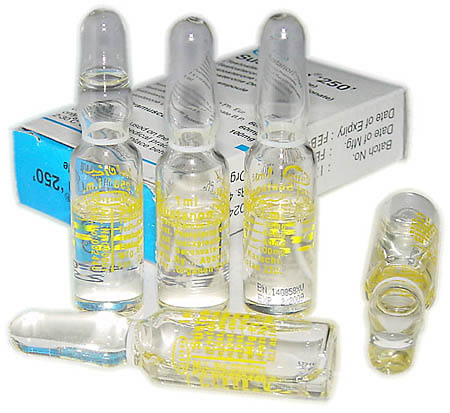
How does it work?
Sustanon injection contains testosterone esters. These are derivatives of the naturally occurring male hormone testosterone. They are converted in the body to testosterone.
Testosterone is known as an androgen. It is produced by the testicles and is the main hormone essential for normal growth and development of the male sex organs and male sexual characteristics.
The natural production of testosterone is controlled by another set of hormones called gonadotrophins, which are released from the pituitary gland in the brain.
During adult life, testosterone is essential for the production of sperm, the maintenance of sex drive, erectile potency, and the functioning of the prostate gland and other reproductive structures. It also has functions in the skin,
muscles, skeleton, kidney, liver, bone marrow and central nervous system.
Low levels of testosterone can cause decreased sex drive, impotence, infertility due to decreased sperm production, decreased mental and physical activity, fatigue and weakening of bones.
Testosterone is given as replacement therapy when natural testosterone levels fall too low, causing symptoms such as those above. Natural testosterone levels fall with age and following surgical removal of the testicles (castration). They may also fall due to decreased functioning of the testicles (hypogonadism or eunuchoidism) caused by testicular disease, or by decreased gonadotrophin production by the pituitary gland, as a result of pituitary disease.
Testosterone replacement allows natural testosterone levels to return to normal, thus relieving the symptoms of the deficiency.
Sustanon injection is called a depot injection. It is injected slowly into the muscle where it forms a reservoir of medicine. The testosterone is gradually released all the time from the reservoir into the bloodstream. The injection is usually given once every two to three weeks, though the frequency will depend on your individual testosterone levels.
What is it used for?
Replacement therapy of low testosterone levels in men.
Male menopause symptoms such as decreased sex drive.
Prevention and treatment of osteoporosis in men with low testosterone levels.
Warning!
You will need to have blood tests to measure your blood level of testosterone before starting and regularly throughout treatment with this medicine.
Tell your doctor if you experience symptoms such as frequent or persistent erections, irritability, nervousness or weight gain after starting treatment with this medicine, as these suggest your testosterone levels are too high and your dose may need adjusting.
You will also need to have regular blood tests to monitor your red blood cells, liver function and prostate specific antigen (PSA) levels.
Testosterone can increase the growth of prostate cancers and benign enlargement of the prostate. Your doctor will perform various examinations to make sure you don't have prostate cancer before you start treatment with this medicine. Your doctor will need to perform a digital rectal exam to check your prostate gland at least once a year while you are receiving testosterone replacement (more frequently than this if you are elderly or have risk factors for prostate cancer).
Information is provided from the site:
http://www.netdoctor.co.uk/
